

The vernal shift: 2026 spring conference
April 11th | Belfast Area High School
“Unfreezing routines and revitalizing creative energy.”
The Maine Art Education Association’s annual Spring Conference is a celebration of creativity, collaboration, and the arts. Located in a different part of the state each year, the conference offers a number of workshops, museum tours, panel discussions, and the Teacher of the Year Awards dinner.
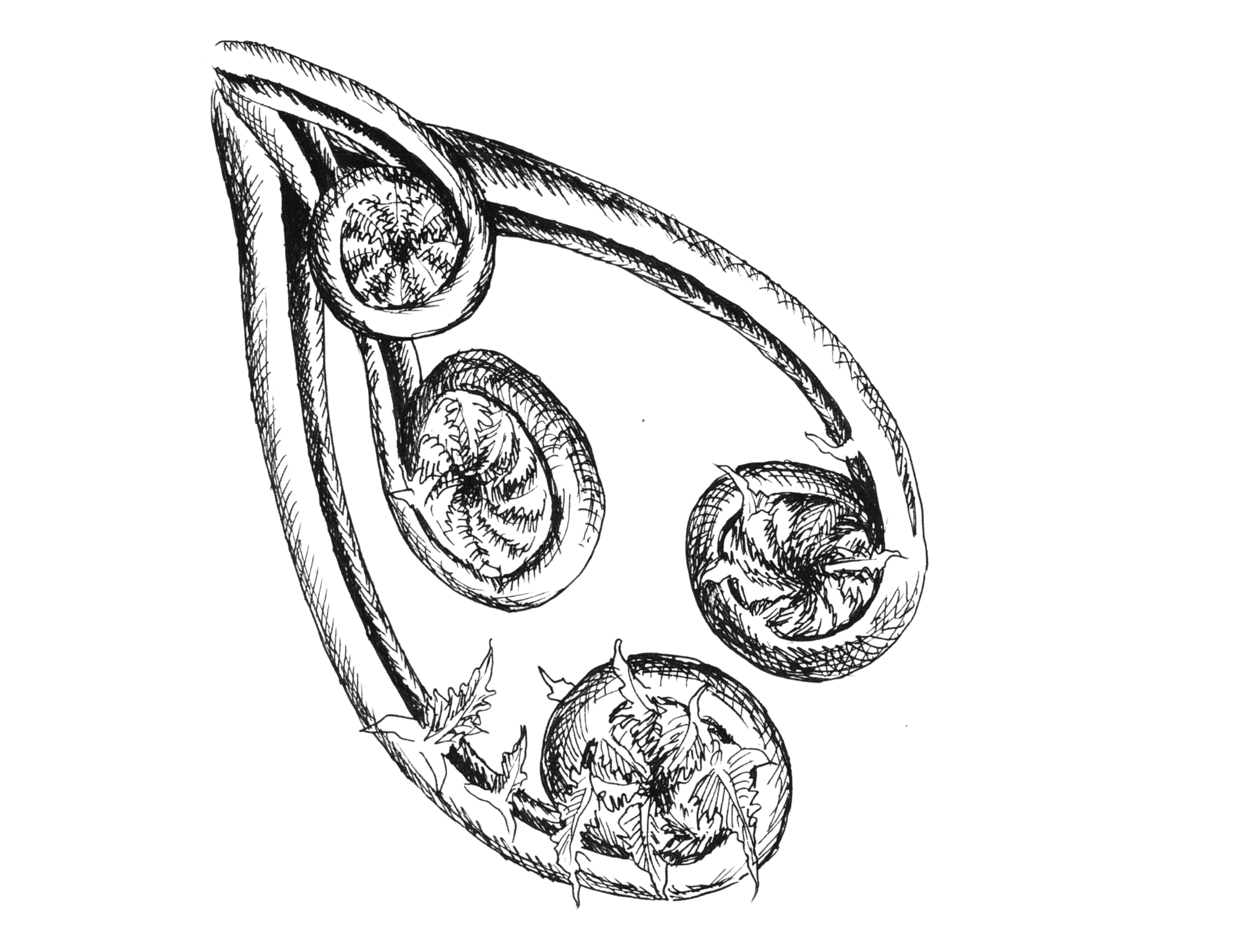
We’re thrilled to invite you to the MAEA Spring Conference in Belfast, a celebration of creativity, collaboration, and the arts!
Overnight Accommodations
Other accommodations, but may be more expensive

Conference Schedule
Download Schedule
April 11th
8:30 AM – 9:00 AM - Check-in & Networking, Band Room
Includes Coffee, Tea, & Morning Snacks
9:00 AM – 9:20 AM - Formal Welcome, Band Room
Heidi O'Donnell & Opening Remarks
9:30 AM – 11:20 AM - Morning Session(s), Various Studios
EITHER 2 Rapid Rotation 50-minute blocks
OR 1 Extended Studio Block
11:30 AM – 12:30 PM - Lunch, Band Room
Catered Lunch Provided
12:30 PM – 3:20 PM - Afternoon Session, Various Studios
1 Deep Dive Immersion Block
3:30 PM – 4:00 PM - The Dessert Bar, Band Room
Sweet Treats & Final Networking
4:00 PM – 5:00 PM - Awards Ceremony, Band Room
Celebrating our Art Ed Rock Stars!

Workshops
Attendees may select:
2 shorter OR 1 longer morning option
AND 1 afternoon option.
9:30 AM – 11:20 AM - Morning Session(s)
Select ONE Kirstie Wheeler or Rori Smith for the first morning session.
9:30 AM - 10:20 AM
Option #1: Creating with Care: Building Resilience in Artistic Practice (presentation)
Kirstie Wheeler, Associate Professor (info@kirstiewheeler.com) Room: 105
Kirstie Wheeler, M.Ed, is an educational consultant in the New England area and an Associate Professor at Berklee College of Music. She has a strong background in education, where she spent 10+ years in a diverse set of public schools in the northeast, eventually leading her to consultant-based roles in education while working in higher education.
What if caring for your nervous system were as essential as practicing your craft? This thought-provoking workshop explores how stress responses and holistic wellness influence not only artistic performance but long-term creative sustainability. Artists face intense pressures from performance anxiety to financial uncertainty that, when unaddressed, can erode inspiration and lead to burnout. Together, we challenge the myth of the “struggling artist,” reframing wellness as a creative advantage rather than a luxury. Participants will gain accessible tools for managing stress, strengthening resilience, and restoring balance, along with practical steps to begin a personalized wellness plan that supports a sustainable, fulfilling, creative life.
What to bring: N/A
Option #2: Youth Art Month: Reclaim and Reimagine (workshop)
Rori Smith, Museum Educator (rsmith@cmcanow.org) Room: 109
Rori Smith is the Education Programs Assistant and Artist Toolbox Coordinator at the Center for Maine Contemporary Art.
Every March, the Center for Maine Contemporary Art offers educators a free curriculum packet to celebrate Youth Art Month. Join us to sample this year's lessons using recycled materials, explore environmental stewardship, and celebrate the creative potential in everyday things.
What to bring: Smock, if desired, when using acrylics
Select ONE Stephen LaRochelle or Serena Sandborn for the second morning session. 10:30 AM - 11:20 AM
Option #1: Unfreezing Identity: 3D Self-Portraits as a Vernal Re-Start (presentation)
Stephen LaRochelle, Educator (stephen.larochelle@gmail.com) Room: 105
I teach 3D design and printing for a variety of ages and in a variety of formats.
As winter gives way to spring in Maine, this session reimagines the traditional self-portrait through 3D scanning and sculptural storytelling. Students scan their own heads, digitally alter the models to reflect their personal interests or identity, then 3D-print, paint, and build expressive diorama-style environments. The process blends portraiture, symbolism, and emerging technology while supporting social-emotional learning and creative risk-taking. Participants will leave with a clear, adaptable workflow and practical strategies to “unfreeze” routine curriculum, energize the final stretch of the school year, and help students see themselves—literally and artistically—in a new light.
What to bring: N/A
Option #2: Get Creative Outdoors! (presentation & workshop)
Serena Sanborn, Community Art Educator (ssanborn@watervillecreates.org) Room: 109 & Outdoor Classroom
I work for Waterville Creates as the Manager of Outreach + Community Partnerships. I am a Maine Master Naturalist with a ton of experience making art OUTSIDE. I have been doing some professional development with teachers to give them tools to use nature journaling outdoors. I also snow sculpt and have been doing snow painting and sculpting at recess with students in our Waterville schools!
How can you safely and meaningfully take students outdoors to create? What natural materials and seasonal elements can become tools for artistic exploration? In this hands-on workshop, discover engaging outdoor art practices including snow painting, nature journaling, and place-based creative prompts that foster curiosity and calm. We’ll discuss practical logistics, safety considerations, and simple ways to integrate outdoor art into your curriculum year-round. Participants will take part in a brief outdoor exploration (weather permitting) and leave with adaptable ideas that help students feel connected to their creativity, to one another, and to the natural world.
What to bring: N/A
The following will be provided for you: small journals, pencils, magnifying glasses, etc.
Morning Block - Option B: Extended Studio Workshops (110 minutes)
9:30 AM - 11:20 AM
Stitched Resistance: Thawing Stagnant Curricula with Wearable Art
Janna DeWan, Classroom Teacher (jdewan@capeelizabethschools.org) Room: 212
A 13-year veteran at Cape Elizabeth High School and a professional ceramicist, Janna DeWan is an "art education nerd" whose personal journey into a handmade wardrobe sparked a new curriculum focused on sustainable fashion. She is passionate about helping students "thaw" their creative practice by balancing high-level craftsmanship with experimental, choice-based design.
Stop playing it 'sew' safe and stitch together a creative rebellion! Whether you teach middle or high school, this session is all about transforming students from passive consumers into conscious creators. We’ll dive into a choice-based framework that integrates surface design, upcycling, and garment construction into your existing curriculum. I’ll share how I transitioned my studio to include everything from fabric cyanotype printing to machine sewing, focusing on high-level craftsmanship and sustainability. Then, we’ll get hands-on with a visible mending workshop! Bring a piece of clothing that needs some love and learn how to turn "trash" into wearable art using Sashiko and appliqué. Let’s make something that matters!
What to bring:
One or two items of clothing from home that are "well-loved" (e.g., a pair of jeans with a hole, a sweater with a snag, or a shirt with a stain).
Optional: fabric scraps, hand-sewing kit
VLI Tours: Museum Tours & Creating from your CLASSROOM!
Tori Marsh, Museum Educator/ Online (tmarsh@cmcanow.org) Room: 209
Educator for the CMCA's Virtual Look Inside program. Provide FREE K-12 lessons to Maine educators in all areas of study. I work with teachers all around the state to highlight themes in contemporary art & artists with strong ties to Maine.
Structured similarly to our in-person Look Inside tours, this workshop will include a guided discussion and hands-on art making while viewing CMCA's VLI educators portal, a free classroom resource for all Maine Educators.
This session will give participants a snapshot into using CMCA's free virtual offering to better connect students to themes of contemporary art & artists connected to Maine.
What to bring: N/A
Photogram Fun: Making Handmade Negatives for Contact Printing
Jennie Driscoll, Art Educator (jdriscoll@brunswicksd.org) Room: 210
I am a high school art teacher with 38 years of teaching experience. I like to try new things and explore possibilities with various art media.
Photogram Fun- 3 Ways - Making Handmade Negatives for Contact Printing. Learn 3 types of handmade negatives for contact printing. These can be used for darkroom printing or alternative processes such as the cyanotype. Additional mixed media can be added to tint the print and add colorful linear details.
What to bring:
Scissors
Scotch tape
Small and tiny objects mixed
1 baggie of repeated objects/multiples, such as a box of paperclips, a box of crayons, pushpins, buttons, etc.
Sharpie markers and Posca pens, if you have them, some will be available for use.
Bring your favorite scissors and a baggie of small objects for some experimental fun in and out of the darkroom.
Nature's Relief in Metal
Vicki Bove, Retired (vbove1@maine.rr.com) Room: 211
I am a very active multimedia artist who uses many processes and has taken several classes since retiring. I enjoy learning new methods and using my artwork in my handmade books.
Draw into the metal and emboss it to create a low-relief depiction of a natural form or a seasonal process. Students have described it as "satisfying"! Bring a small sketch (5"x5") to trace onto the metal. You can hang or attach it to a small box. You could also cover a switch plate, which looks awesome!!
What to bring:
5x5" or 5x7" sketch on newsprint or Lightweight paper
2-3 clay tools
Afternoon Block: Deep Dive Immersion (170 minutes)
12:30 PM - 3:20 PM
Exploring the Landscape in Watercolors
Audrey Parker, Art Teacher (lostinpoppies@gmail.com) Room: 212
Audrey Parker is an Artist and an Art Educator working in Portland, Maine, teaching middle school art and adult watercolor classes. Her practice is focused on botanicals and landscapes.
Explore traditional and experimental techniques possible with watercolor painting. Learn tips and tricks for making this medium engaging and understandable for all ages. Experiment with watercolor and the materials it plays well with: salt, plastic wrap, alcohol, and other mediums. Take advantage of Maine's beautiful landscape in this painting workshop.
What to bring:
Photos or a device to take/find photos on.
Beyond the Black Line: Modern Intaglio & Luminous Color
Charlie Johnson, Classroom Teacher (cjohnson@mdirss.org) Room: 209
I have been an avid printmaker for many years, developing work in a spontaneous manner with a variety of techniques, including the use of gelatin plates (learned from Fran Merritt at Haystack) and experimental uses of inks. I teach a half-credit printmaking class at MDI High School, and I enjoy the processes of making images in multiples.
Unlock the rich, velvety world of intaglio printmaking using a contemporary, classroom-friendly approach. In this hands-on session, we will bypass the traditional acid bath in favor of acrylic plate drypoint, a versatile method that allows for deep detail and expressive line work without the toxic fumes or high costs.
Chine Collé: Learn to incorporate delicate papers and textures directly into the printing process, for instance, archival color.
Water-Soluble Plate Transfer: Discover how to layer painterly washes and vibrant pigments using water-based materials, creating a bridge between drawing, painting, and print.
What to bring:
Participant "Pack List"
Source Imagery & Inspiration
Since we are using clear acrylic plates, you can place your reference images directly underneath the plate to trace your design.
Simple Line Drawings: 2–3 sketches or photos with strong linework (architectural details, botanical silhouettes, or portraits).
Size Matters: Aim for 4" x 5" or 5" x 7" to fit the standard plate sizes we will be using.
A "Plan B": A backup idea in case their first choice is too complex for a first-time drypoint.
The "Art Teacher Uniform" (Protection)
Intaglio ink is notoriously adventurous—it loves to end up on sleeves and faces.
Apron or Smock: Preferably one that can handle a bit of oil- or soy-based ink.
Box of Nitrile Gloves: If you have a preferred size or sensitive skin (though some will be provided).
Rags/Old T-shirts: For personal cleanup or final plate wiping.
Personalized Chine Collé Scraps
While a basic selection of papers will be available, personal scraps make the prints much more meaningful.
Thin/Lightweight Papers: Think tissue paper, old book pages, sheet music, maps, or dried tea bags.
The "Goldilocks" Rule: The paper should be thin enough for the ink to press through it, but sturdy enough not to disintegrate when damp.
Favorite Drawing Tools (Optional)
Etching Scribe: If you already own a favorite metal scribe or diamond-point tool.
Water-Soluble Media: If you have a specific set of Caran d’Ache Neocolor II pastels or watercolor pencils you love using.
Small Scissors: For precision cutting during the Chine Collé process.
Handling Tip: "Because we’ll be working with water-soluble materials and damp paper, please bring a stiff folder or a small portfolio (even two pieces of clean cardboard and a binder clip) to safely transport your damp prints home!"
Winter Wool Mobiles and Tapestries
Ouda Baxter, Classroom Teacher (ouda.baxter@gmail.com) Room: 210
I am a multidisciplinary artist focusing on fiber arts, sculpture, and sound installation. I currently teach at The Ecology Learning Center, and took last year "out of teaching" to pursue an MFA in Canada. I live on a little homestead in Wabanakik, the Dawnland, and am working to get to know the land and animals that share this place with me.
Embrace the "Vernal Shift" by transforming raw, local Jacob sheep fleece into art. This immersive workshop guides educators through the fiber lifecycle—from "frozen" raw fleece to a hand-felted masterpiece. We’ll explore the biblical and Scottish history of Jacob sheep while scouring wool with eco-friendly Sal Suds.
Participants choose their path: a sculptural driftwood mobile or an abstract flat-felted tapestry. This session emphasizes the neuro-regulative benefits of tactile work, providing teachers with low-cost, high-success lesson plans and a meditative, non-digital reset. Leave with a finished piece, local history, and refreshed creative energy.
What to bring:
Smock
Any small branches you would like to work with
Toad-ally Terrific Clay Whistles
Hope Lord, Art Teacher 6-12 (hlord73@gmail.com) Room: 211
I've been teaching visual arts and design for 16 years, grades 6-12. I enjoy sculpting with clay and love creating watercolor landscapes.
In this session, you will learn how to form the structure of a clay whistle with basic pinch pot and slab techniques. You'll see a variety of clay whistles I've made that look like animals, objects, and even candy-shaped whistles. This 3D sculpture unit can be taught with a variety of themes, including Maine animals, biome species, Pop Art, or cultural studies. I'll include strategies for getting whistles to work and discuss multi-note ocarinas. You'll leave the session with at least one working whistle that you can fire and glaze back at your school or studio.
What to bring:
Apron
Clay tools, if you have some, but will have tools that participants can use.
Shrinky Zendinkles
Allie Rimkunas, Retired K-5 Educator (allie.rimkunas@gorhamschools.org) Room: 105
I taught in the Gorham school system for 25 years and am busily retired. I've been active in all things MAEA now that I have the time. I'm also very happy to say that I feel the freedom to finally create art on my own again!
Let’s leave the drab colors of late winter behind and jump into the brilliant colors of spring and all seasons! We will create shrinky dink pendants based on line, shape, COLOR, value, and pattern. If time allows, we will create one non-objective pendant and one inspired by Ashley Bryan's book, Beautiful Blackbird. We will be using common classroom materials, so this is an easy one to take to your students! This is a very relaxing project for adults and all ages, from third grade to seniors.
What to bring: N/A
Registration is $50 for active members and $75 after March 20th.
Price of the conference covers activities (option to attend some or all), breakfast and lunch, and the awards dinner — all for the low, low price of $50.
Membership Required
You must be a member of the MAEA to attend the Spring Conference. Membership is no longer linked to conference registration. We now offer dual membership with both MAEA and NAEA. Please visit our Membership page to learn more, become a member, or renew membership before June 1st registration.
Cancellation policy
We recognize that events come up that require a change in plans. Please understand that conferences are a symphony of coordinated events. This concurrent timing requires extensive pre-planning, financial, and facilitator responsibilities. The cancellation/refund policy below honors this commitment. Requests for cancellations and refunds must go through the registrar: Hope Lord.
Additional Fees:
Some workshops will require you to supply some of your own tools or materials. Some workshops will require an additional studio fee to cover the cost of materials And some will offer additional materials available for purchase through the presenter. Please look carefully at the offerings and descriptions before registering.
CEU Credits or Contact hours
There is no additional fee for Contact Hours. There is a $20 fee for the CEUs from the CEU granting institution (UMaine) when you submit your paperwork.


